
Expert Tips to Maintain Hardwood Furniture for Generations
Have you ever marveled at the pristine condition of historical furniture in museums, or felt a sense of pride over a wooden table that’s been passed down for generations? With proper care, solid wood furniture can last 50–100+ years and become family heirlooms for many households.
The Amish craftsmen we work with build solid wood furniture that – if cared for properly – is the perfect example of timeless design. Every piece is handcrafted from premium American hardwoods like oak, cherry, and maple. While these materials are strong on their own, they do need a certain level of care if you’re going to make them last as long as possible.
Knowing how to maintain hardwood furniture doesn’t require complicated routines—just a few consistent habits that protect the wood and finish.
Why Wood Furniture Care Matters
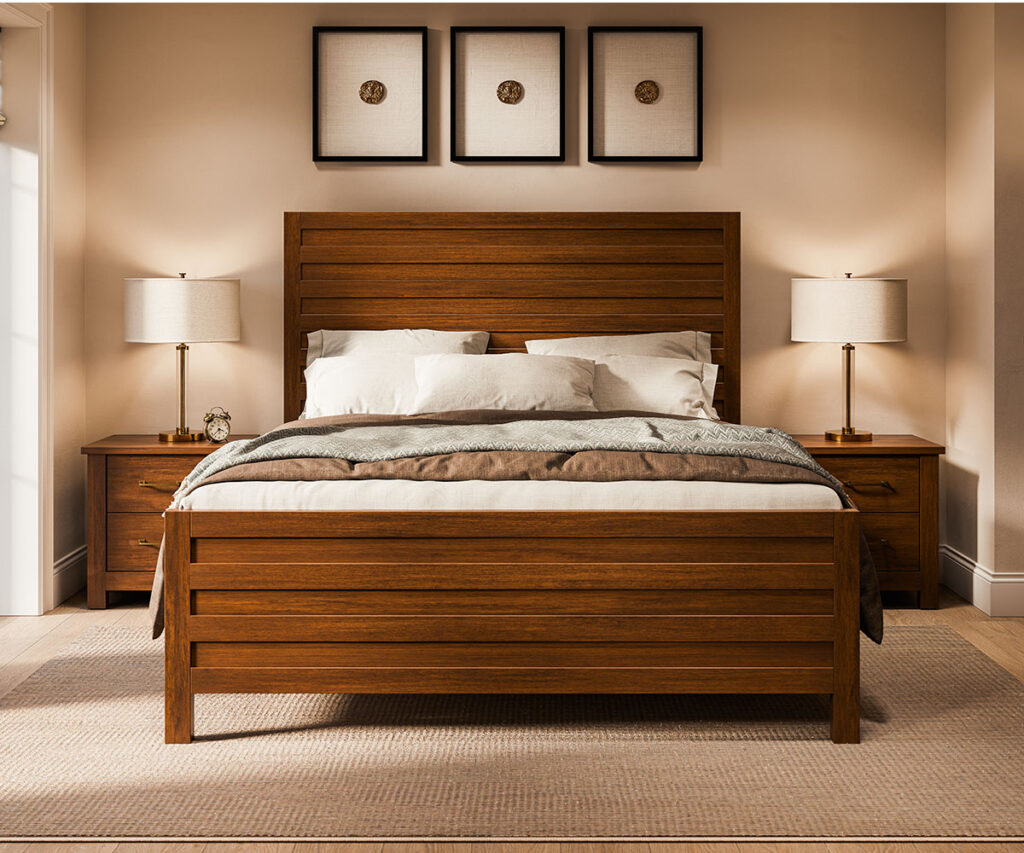
Unlike mass-produced furniture, Amish-built pieces are crafted from solid hardwood and traditional joinery rather than plywood, nails, or screws. These more traditional methods make them exceptionally durable.
However, wood is still a natural material that reacts to its environment. This is why caring for your wood furniture matters:
- Preserve the natural grain and character
- Prevent cracking, warping, and fading
- Maintain the integrity of the finish
All this upkeep and prevention will extend the life of your furniture. That’s why well–maintained hardwood furniture isn’t just functional. It becomes part of your home’s story.
Daily Wood Furniture Care Tips
Wood furniture does require daily care, but it’s all simple routines that can easily become everyday habits. Here are three quick, daily ways to care for your wooden furniture.
1. Dust Regularly
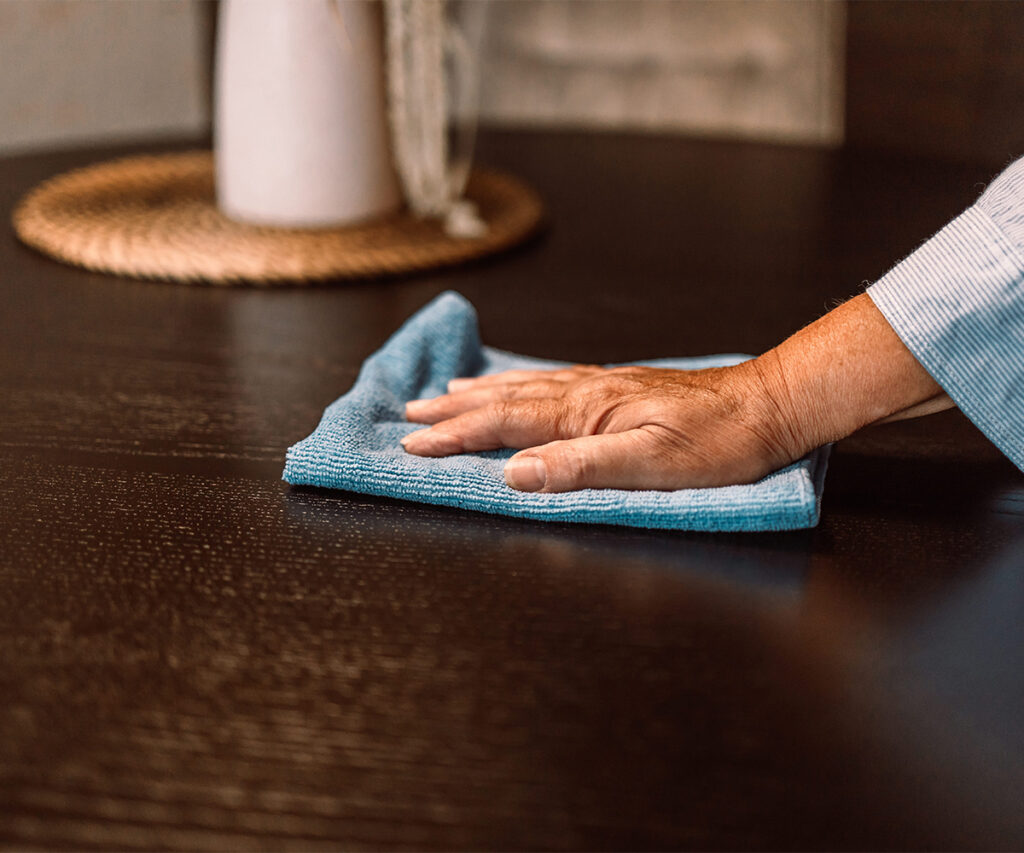
Dusting is often said to be one of the most boring and least-liked chores, but not letting dust build up is good for our respiratory health and our furniture. Use a soft, lint-free cloth to remove dust. A microfiber cloth, for example. This prevents buildup that can dull the finish or cause micro-scratches.
2. Clean Gently
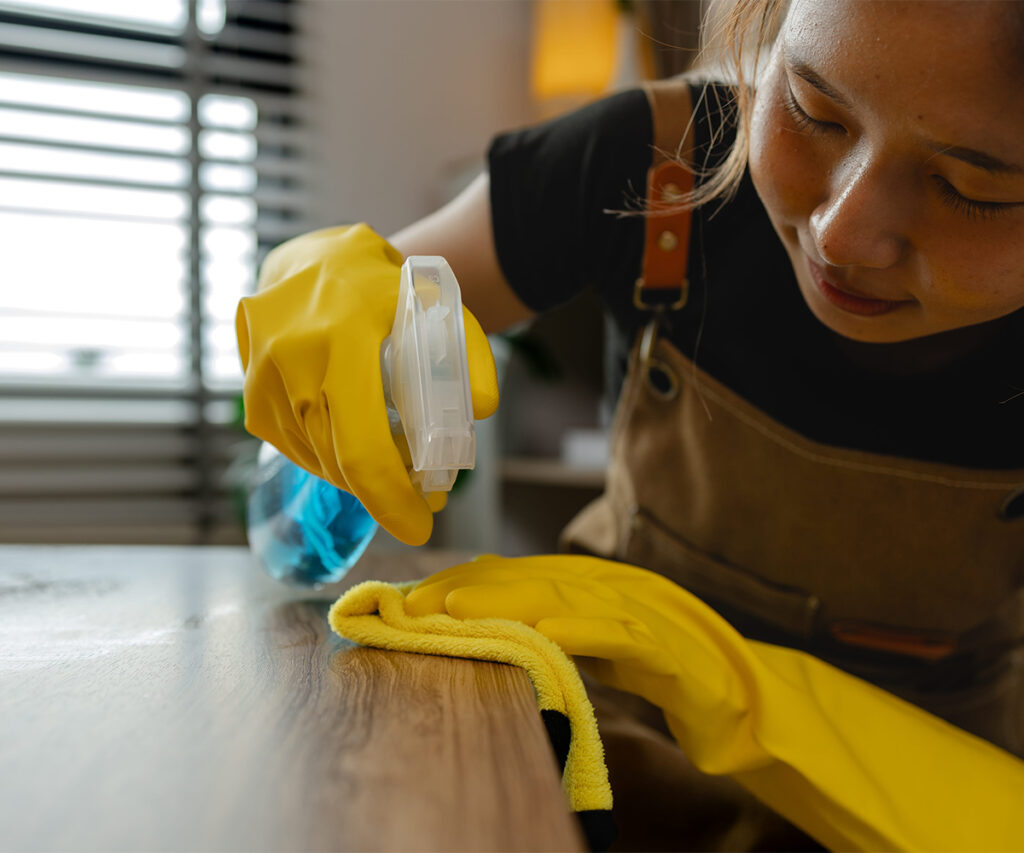
Wipe surfaces with a slightly damp microfiber, then dry immediately. Avoid harsh or chemical cleaners that can damage protective finishes. If you need something stronger to tackle a mess or stain, use a gentle dish soap properly diluted in cool or warm water.
Uh-Oh! There’s a Spill
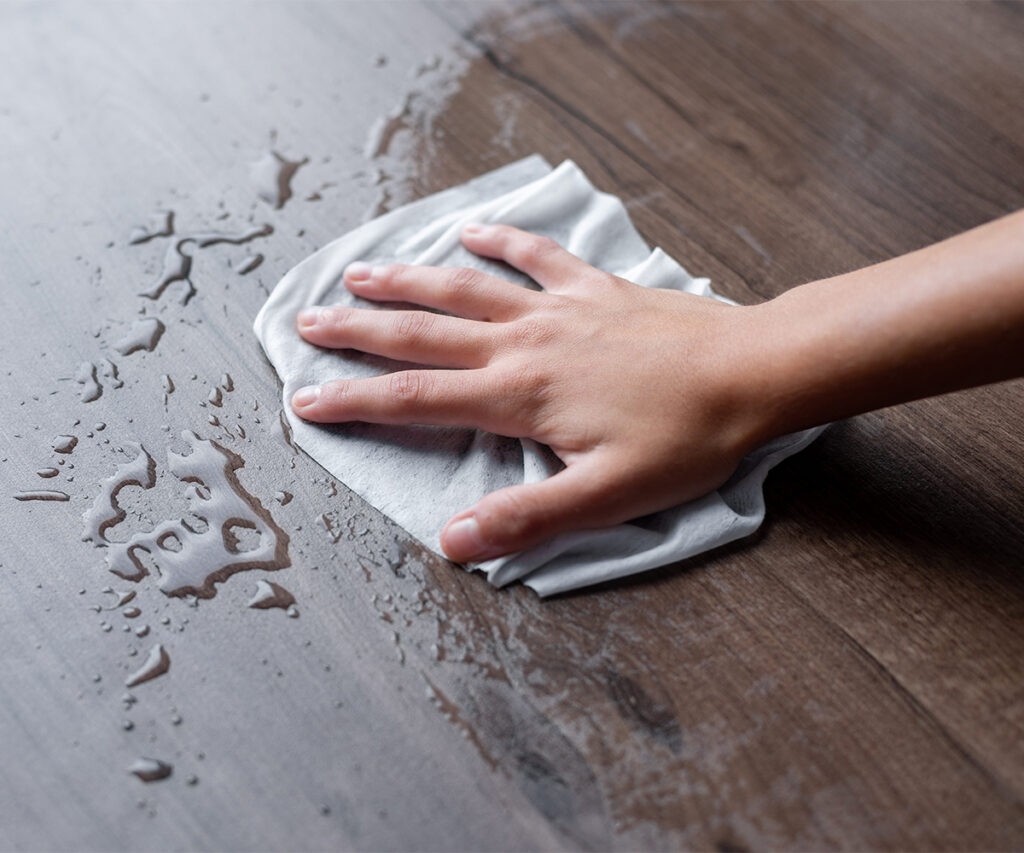
Accidents, food stains, and other messes happen—quick action makes all the difference.
- Blot immediately with a clean cloth
- Use a damp cloth if needed
- Dry thoroughly
Never let moisture sit on the surface of the wood, as it can damage both the finish and everything underneath.
3. Use Coasters, Pads, and Placemats
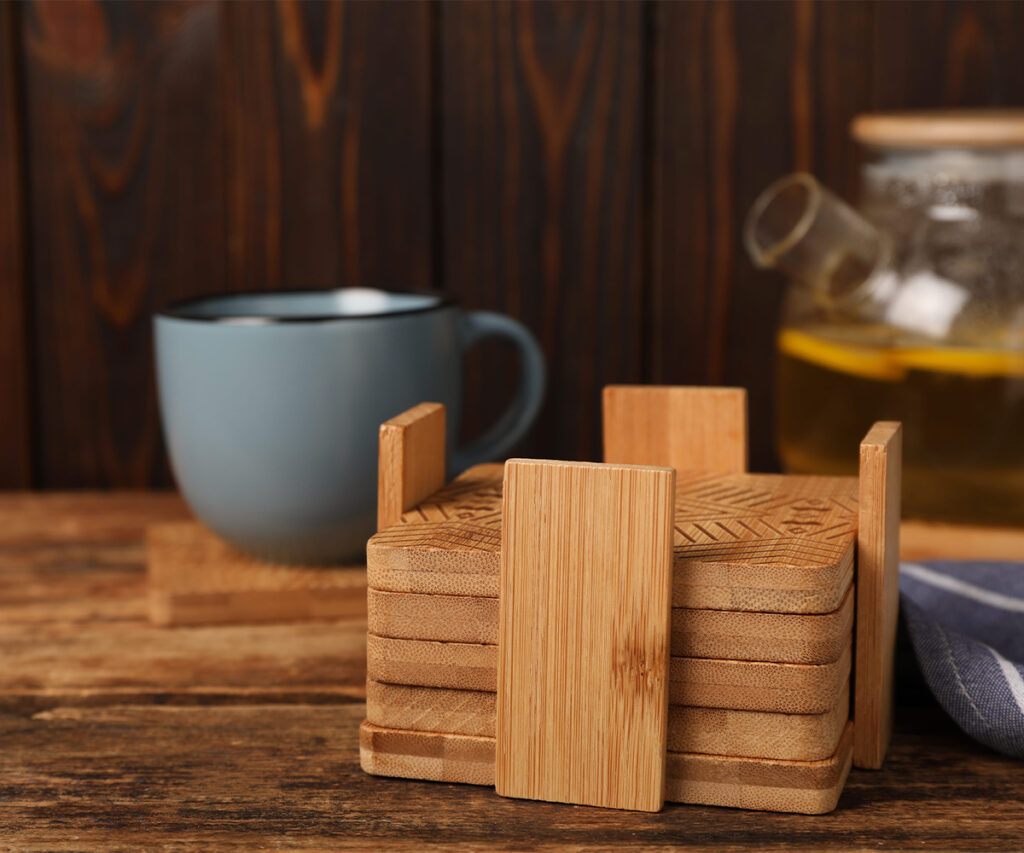
Any of your wood furniture that comes in contact with cups, mugs, dishes, and other food/kitchenware needs to be protected. Coasters and placemats help prevent:
- Water rings
- Heat marks
- Food spills
This is especially important for dining tables and frequently used pieces.
Other Ways to Prevent Scratches and Everyday Damage
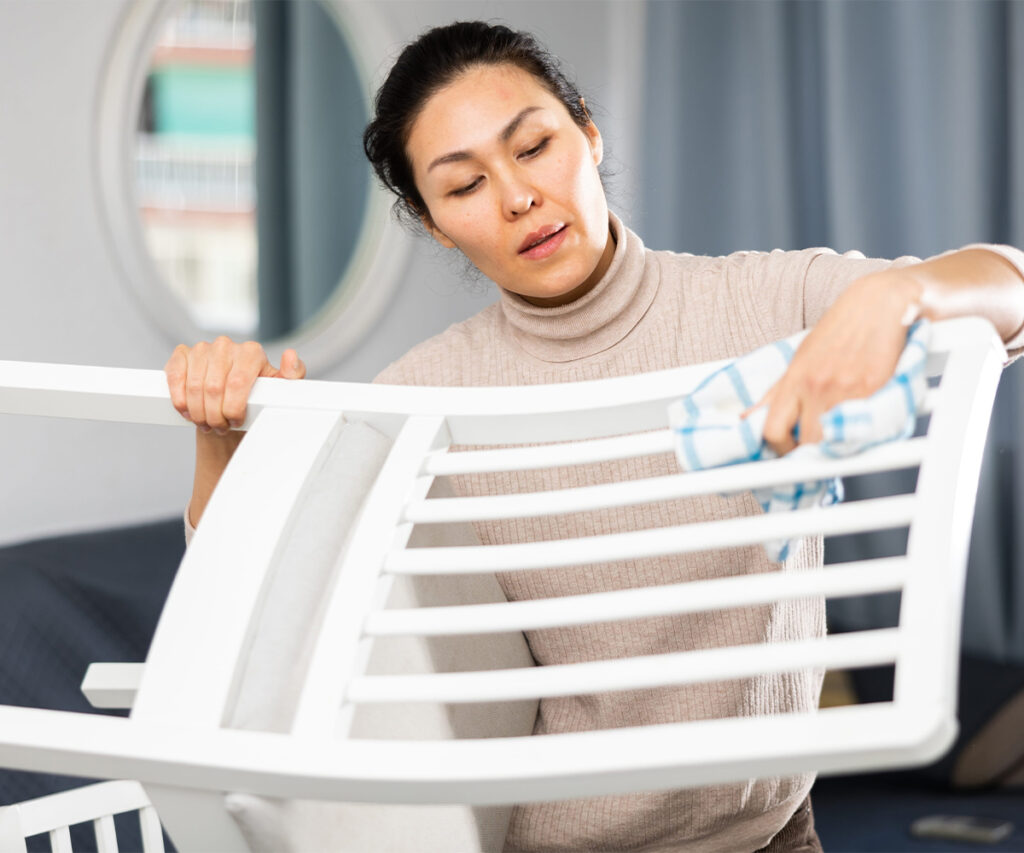
Even the most durable hardwood furniture benefits from preventative care. Small precautions help maintain the clean, handcrafted look of your furniture.
- Use felt pads under chairs and table legs
- Lift furniture when moving it
- Avoid placing sharp or abrasive items directly on surfaces
Control Your Environment
One of the most overlooked aspects of maintaining hardwood furniture is environmental control. One of the beautiful qualities of wood is that it adapts to the climate, but in a finished piece, these fluctuations in the wood can alter the appearance of your piece. Here are some easy ways to keep a more consistent environment in your home.
Maintain Proper Humidity

Whether you’re keeping windows closed on a hot, humid day, running central air, or simply utilizing a humidifier or dehumidifier, the goal is to keep indoor humidity between 35%–45%. Here’s why:
- Low humidity → cracking or splitting
- High humidity → swelling or warping
Limit Direct Sunlight
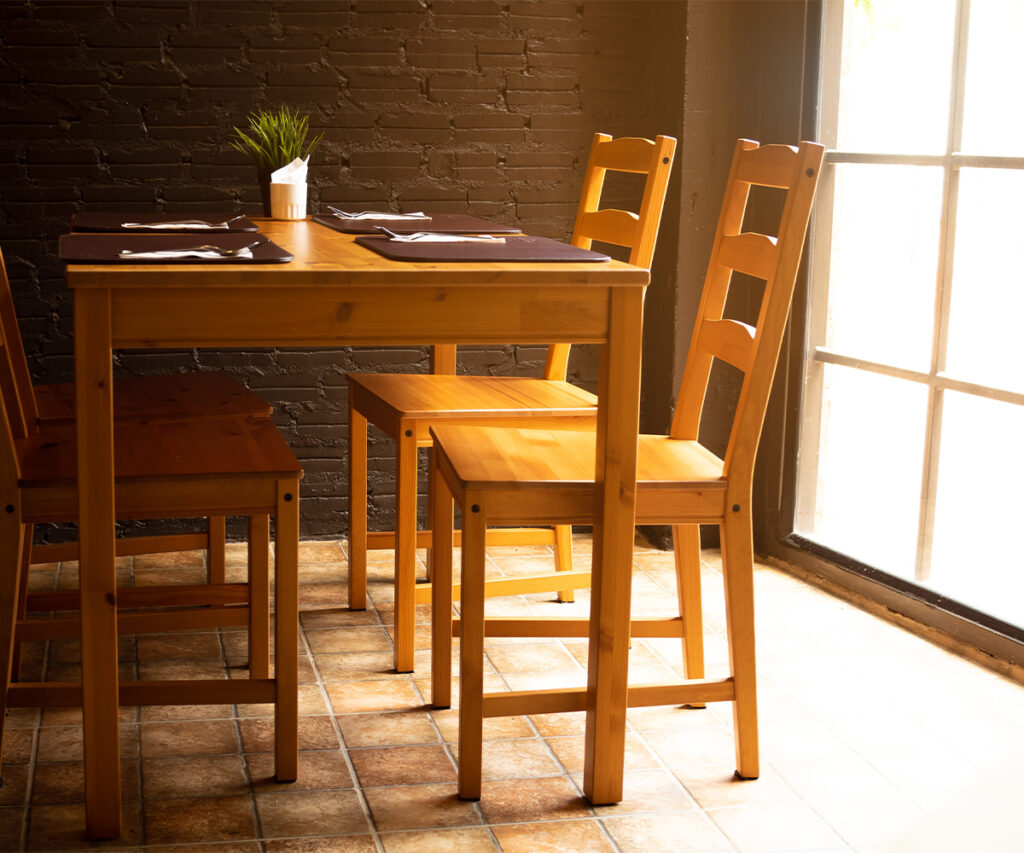
Sunlight can fade wood and alter stain color over time. This is especially noticeable on woods like cherry, which naturally darken with exposure. Most homeowners see this kind of change more easily on a wooden table with leaves. The extension leaves that were stored away while not in use tend to look much lighter over time than the table that’s been sitting by the window.
Position furniture thoughtfully and keep curtains closed during prime sunlight hours to protect the finished product.
Protecting Your Furniture Finish
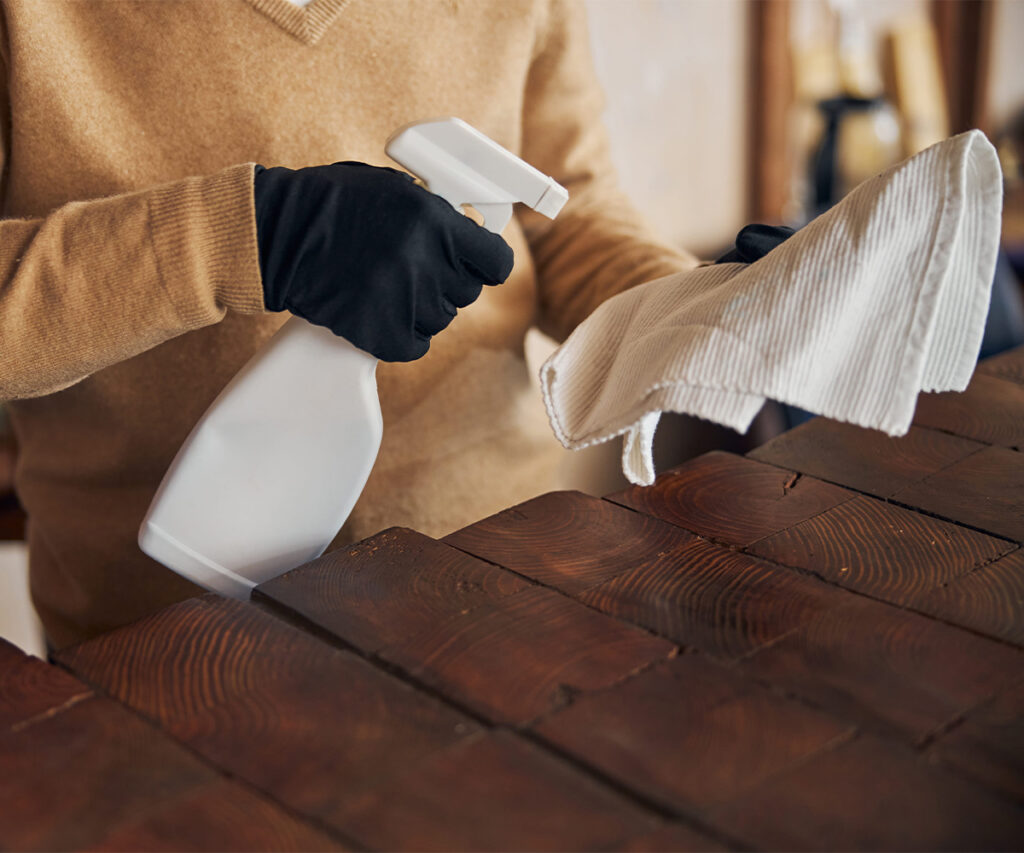
The finish not only adds to the beauty of your piece; it is your furniture’s first line of defense.
High-quality finishes—commonly used on Amish furniture—help protect against moisture, heat, and everyday wear. Finishes like conversion varnish, lacquer, and polyurethane are designed to preserve both durability and appearance over time.
Best Practices
- DON’T use silicone-based polishes like Pledge, which contain dimethicone (these can cause buildup). Instead, we recommend oil-based polishes or waxes.
- Use wood-specific care products that are gentle and non-abrasive
- Follow the recommended maintenance guidelines provided by the builder or store you purchased your furniture from. At Amish Custom Furniture, we’ll gladly answer all of your care questions to make sure you get the most out of your purchase.
Seasonal Care for Hardwood Furniture
Wood naturally expands and contracts with seasonal changes. Keeping a stable indoor environment is one of the most effective long-term care strategies.
Winter:
Use a humidifier sparingly to prevent drying and cracking. Do not place the appliance directly on or beside the furniture.
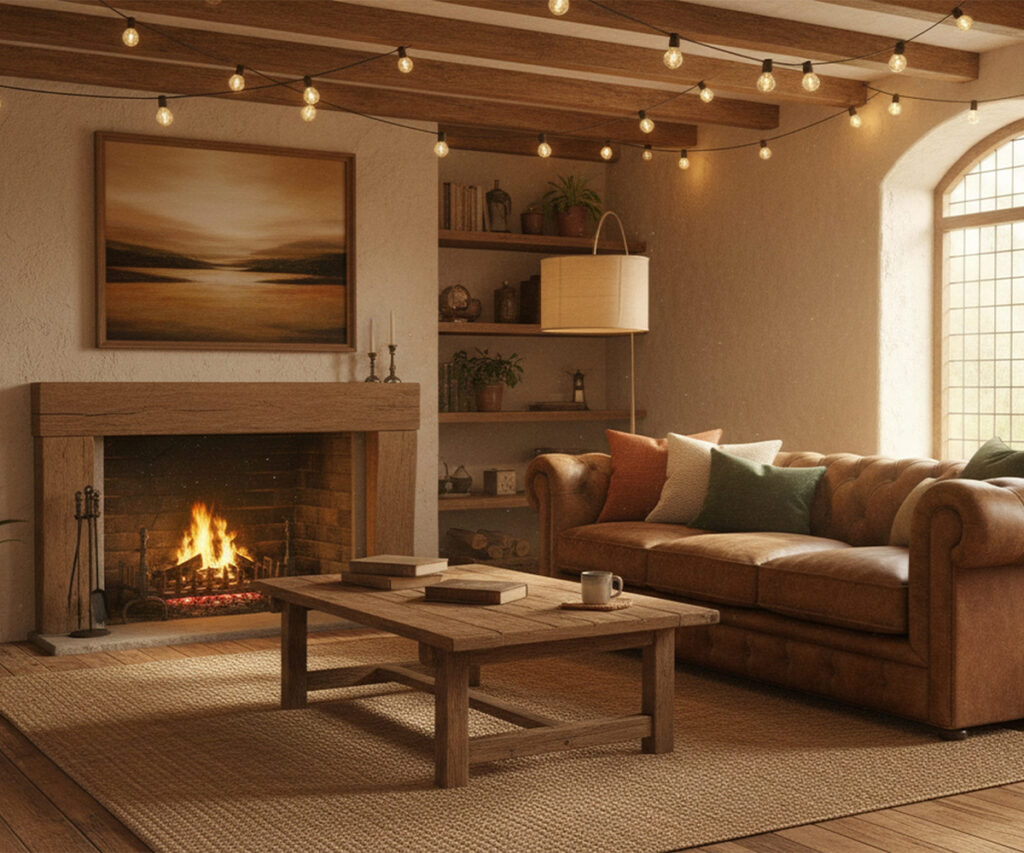
Do not place furniture directly near a heat source (such as a register or fireplace).
Summer:

Monitor humidity to avoid swelling. We recommend not leaving windows open on days when the air is still and/or humid. A dehumidifier can be used, but it should be kept at a safe distance from your wooden furniture.
When to Refinish or Restore Furniture
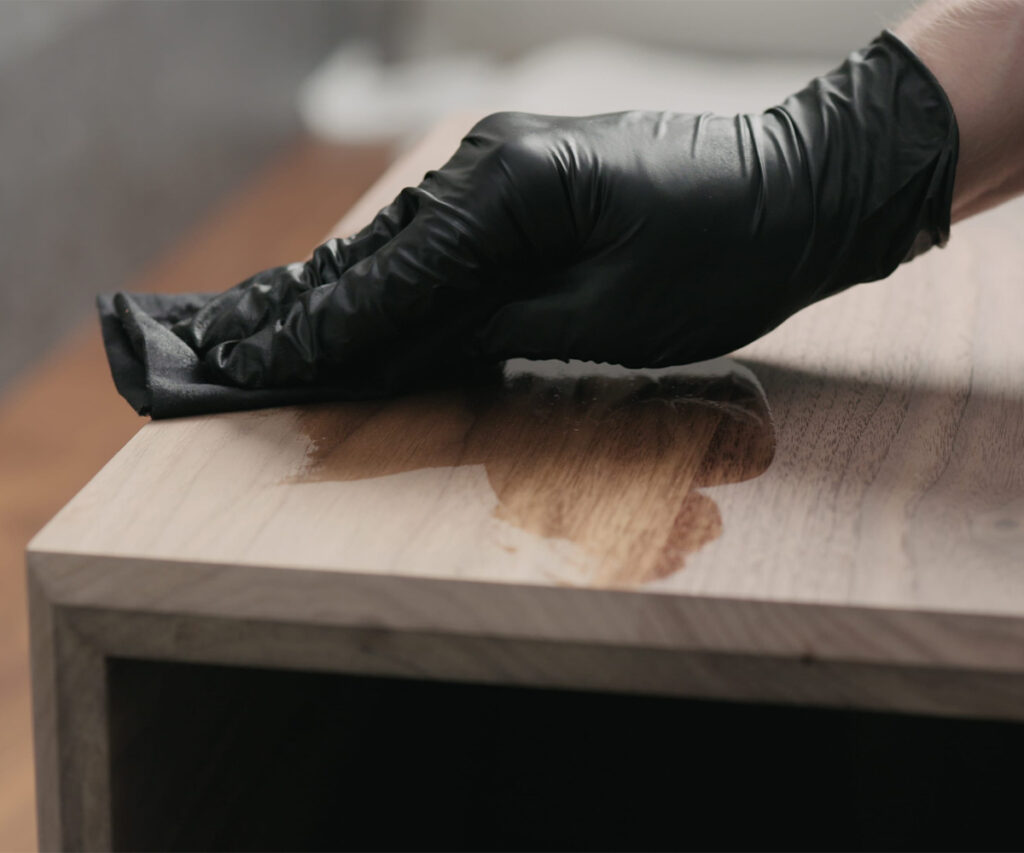
Over time, even well-cared-for furniture may show signs of wear. You may consider refinishing if you notice:
- A dull or worn surface
- Light scratches or surface damage
- Changes in color or finish
Because Amish furniture is solid wood—not veneer—it can often be restored and refinished, extending its life even further. There are plenty of businesses that specialize in wood furniture restoration if you don’t want to attempt it yourself.
The Best Way to Keep Your Furniture: Start with Quality Craftsmanship
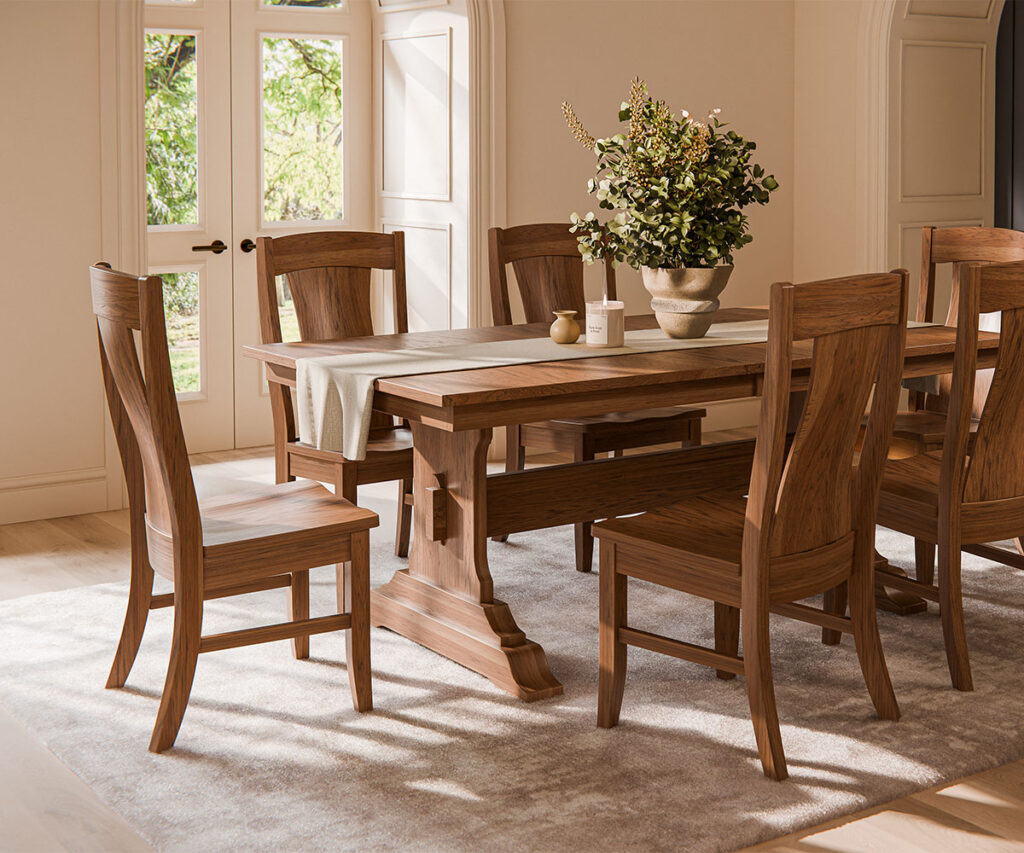
Here’s an expert tip: The best way to simplify wood furniture care is to start with furniture that’s built correctly from the beginning.
At Amish Custom Furniture, each piece is:
- Handcrafted from solid American hardwoods
- Built with time-tested joinery
- Made to order with customizable finishes and colors
This level of quality means your furniture is already designed for longevity—proper care simply helps it reach its full potential. We’d love to help you explore our selection online or in-store to find the perfect wood furniture for your home.
Conclusion
Understanding how to maintain hardwood furniture comes down to consistency. With regular cleaning, proper protection, and attention to your environment, your furniture can remain beautiful for decades.
With the right wood furniture care, your investment becomes more than furniture—it becomes something you pass down.
Discover heirloom-quality furniture designed for generations.
Visit our showroom or contact our team for expert guidance
Explore our handcrafted bedroom, dining, and living room collections
Customize your piece with premium wood species and finishes